Quick Facts
About Roaring Fork
Roaring Fork Motor Nature Trail is one of the most immersive forest drives in the Smokies. The narrow, winding road passes through dense old-growth forest, alongside a rushing mountain stream, and past several well-preserved historic structures. It is also the gateway to some of the park's most popular waterfall hikes - Rainbow Falls and Grotto Falls both begin from trailheads along this route.
The name comes from Roaring Fork, a lively mountain stream that tumbles over boulders alongside much of the drive. The stream's constant roar gives it its name and provides a soothing soundtrack to your journey.
What makes Roaring Fork special is its accessibility - the entrance is just 3 miles from downtown Gatlinburg - combined with its feeling of deep wilderness. Within minutes of leaving the tourist strip, you are enveloped in primeval forest.
Approx drive time from our cabins: 10 to 15 minutes to the Roaring Fork entrance via Cherokee Orchard Road.
Early morning offers the best light filtering through the forest canopy and the best chance to spot wildlife. The trailhead parking lots also fill quickly on weekends - arriving by 8 AM is essential during peak season if you plan to hike.
Getting There
From downtown Gatlinburg, take Historic Nature Trail (traffic light 8) south. This road becomes Cherokee Orchard Road and leads directly to the Roaring Fork Motor Nature Trail entrance. The total distance from downtown is about 3 miles.
Important Access Information
- Seasonal closure: The road has occasional road closings during winter months
- One-way road: Once you enter, you must complete the loop - no turnaround
- Narrow road: Not suitable for RVs, trailers, or motor homes over 25 feet
- Parking permit required: Check the NPS website for current parking tag requirements
Highlights Along the Drive
Rainbow Falls Trailhead
Before entering the loop, you will pass the trailhead for Rainbow Falls Trail (and the route to Mount LeConte). This is one of the most popular trailheads in the park - the parking lot often fills by 8 to 9 AM on busy days.
Noah Bud Ogle Place
A short, easy walk from the parking area leads to a well-preserved pioneer farmstead including a cabin, barn, and working tub mill. This is one of the best places in the park to understand how early settlers lived.
Grotto Falls Trailhead
Access point for the trail to Grotto Falls, the only waterfall in the park you can walk behind. This is also the main llama supply route to LeConte Lodge - you may share the trail with working llamas! Check website for exact dates and times.
Ephraim Bales Cabin
A short walk from the road leads to another historic cabin site. The forest has largely reclaimed the surrounding cleared land, showing how quickly nature recovers.
The Roaring Fork Stream
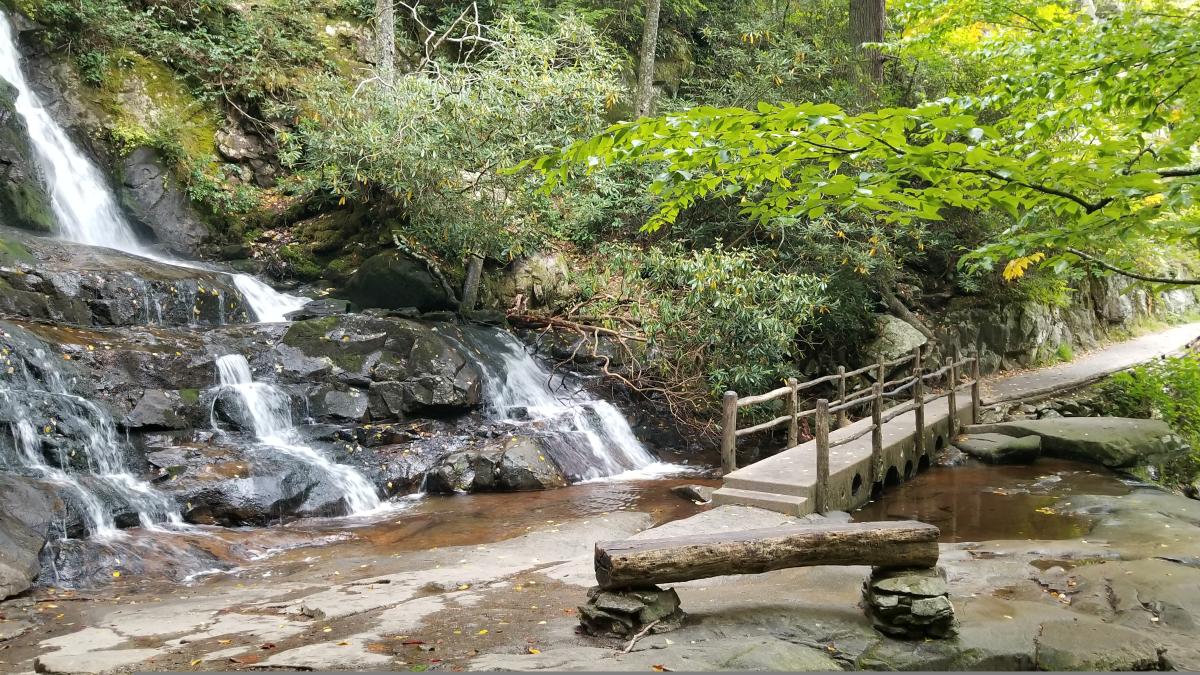
Several pullouts allow you to experience the rushing stream up close. The water tumbles over massive boulders, creating constant motion and sound. This is particularly impressive after rain.
Place of a Thousand Drips
Near the end of the drive, water seeps from the mountainside across a wide rock face, creating dozens of tiny waterfalls and constant dripping - hence the name. Best viewed after rain.
Explore from Your Cabin Base
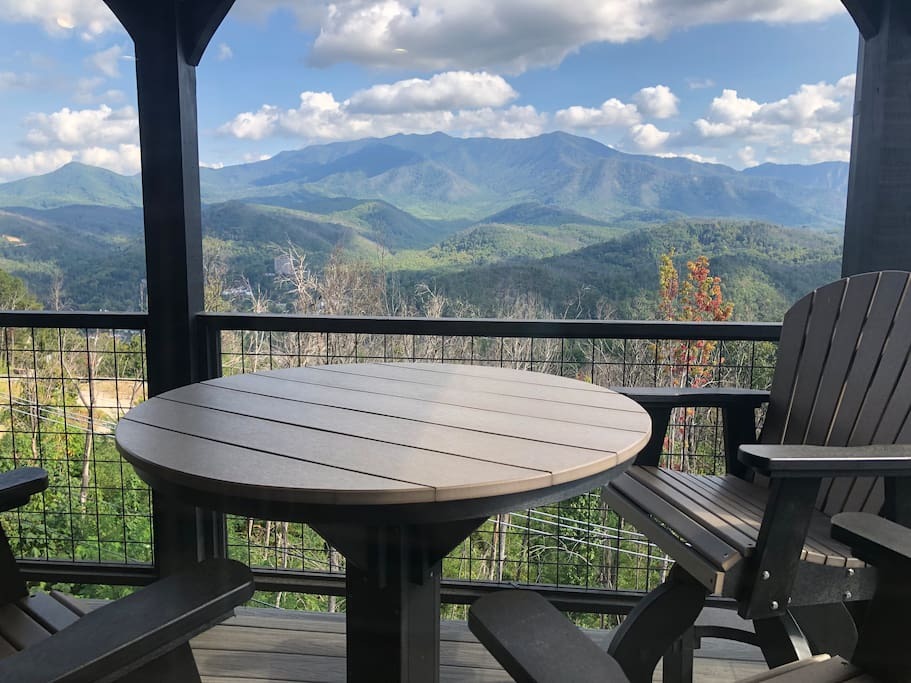
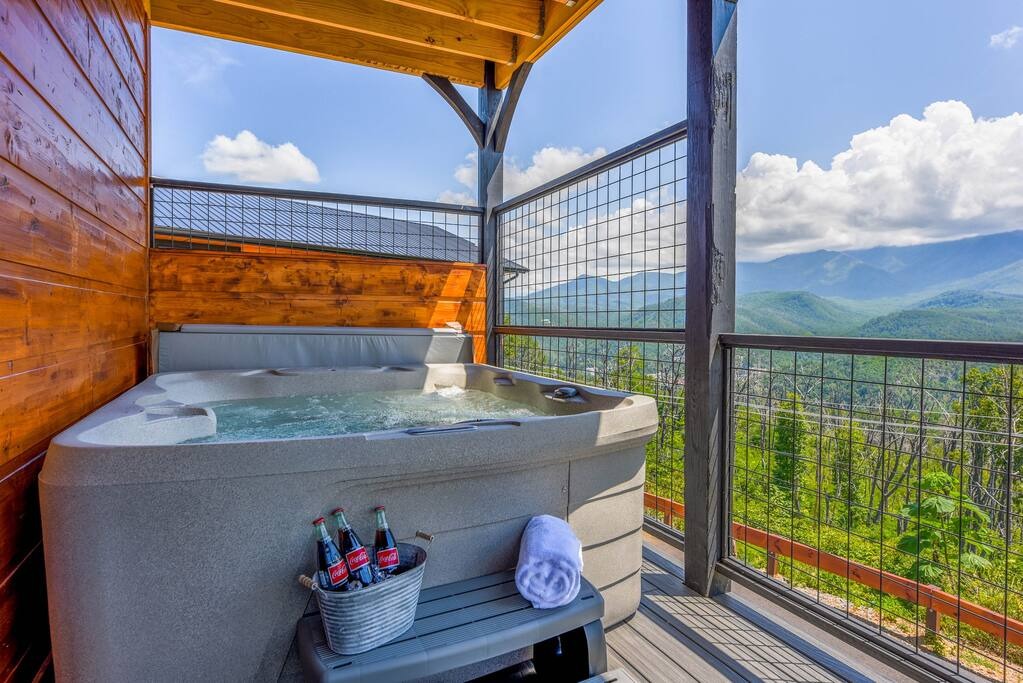
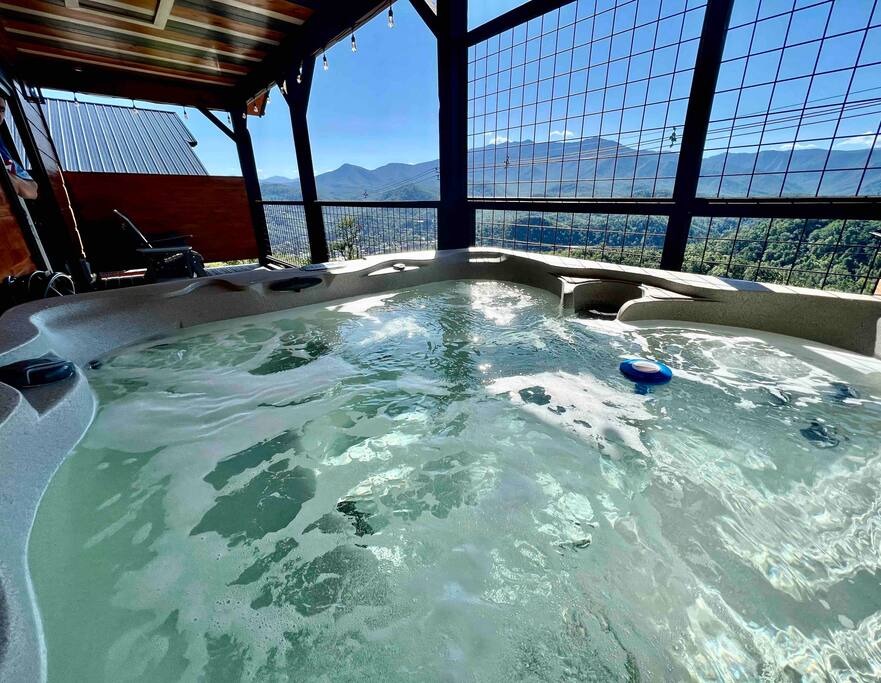
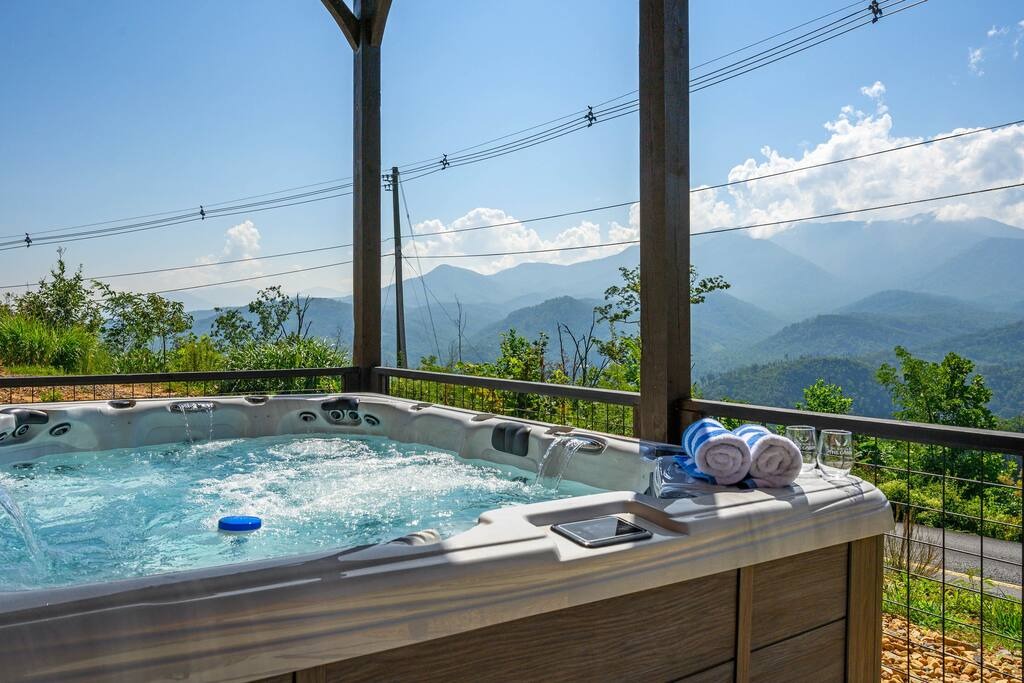
Roaring Fork is just 10 to 15 minutes from our cabins. Enjoy a morning drive through the forest, then return for an afternoon soak in your private hot tub!
Check Cabin AvailabilityHiking from Roaring Fork
- Rainbow Falls Trail: 5.4 miles round trip to an 80-foot waterfall
- Grotto Falls Trail: 2.6 miles round trip to a walk-behind waterfall
- Trillium Gap Trail to LeConte: 13+ mile round trip to the summit
- Porters Creek Trail: 4 miles round trip to historic farmstead and waterfall
If you are planning to hike Rainbow Falls or Grotto Falls on a weekend, arrive before 8 AM. The parking lots fill quickly, and once full, you cannot legally park along the narrow road. Weekday visits offer significantly better parking availability.
Wildlife
The dense forest along Roaring Fork is home to diverse wildlife:
- Black bears: Common; be alert and give them space
- Wild turkeys: Often seen crossing the road or in clearings
- White-tailed deer: Occasionally spotted in forest openings
- Salamanders: The Smokies are the Salamander Capital of the World
- Songbirds: Exceptional birding, especially spring through fall
Photography Tips
- Morning light filtering through the canopy creates magical conditions
- Overcast days reduce contrast and bring out forest colors
- Use slow shutter speeds to blur the rushing streams (bring a tripod)
- Historic structures are best photographed in diffused light
- After rain, the forest is at its most lush and the stream most impressive
Planning Your Visit
- Allow: 30 to 90 minutes for just the drive; 2 to 4 hours if hiking
- Facilities: No restrooms, water, or services on the loop
- Cell service: Limited to none
- Best seasons: Late spring (wildflowers), fall (foliage)
- Avoid: Busy summer weekends if hiking - arrive very early
Nearby Attractions
Approx Drive Time from Our Cabins
| Location | Drive Time |
|---|---|
| Our Cabins to Roaring Fork Entrance | Approx 10 to 15 minutes |