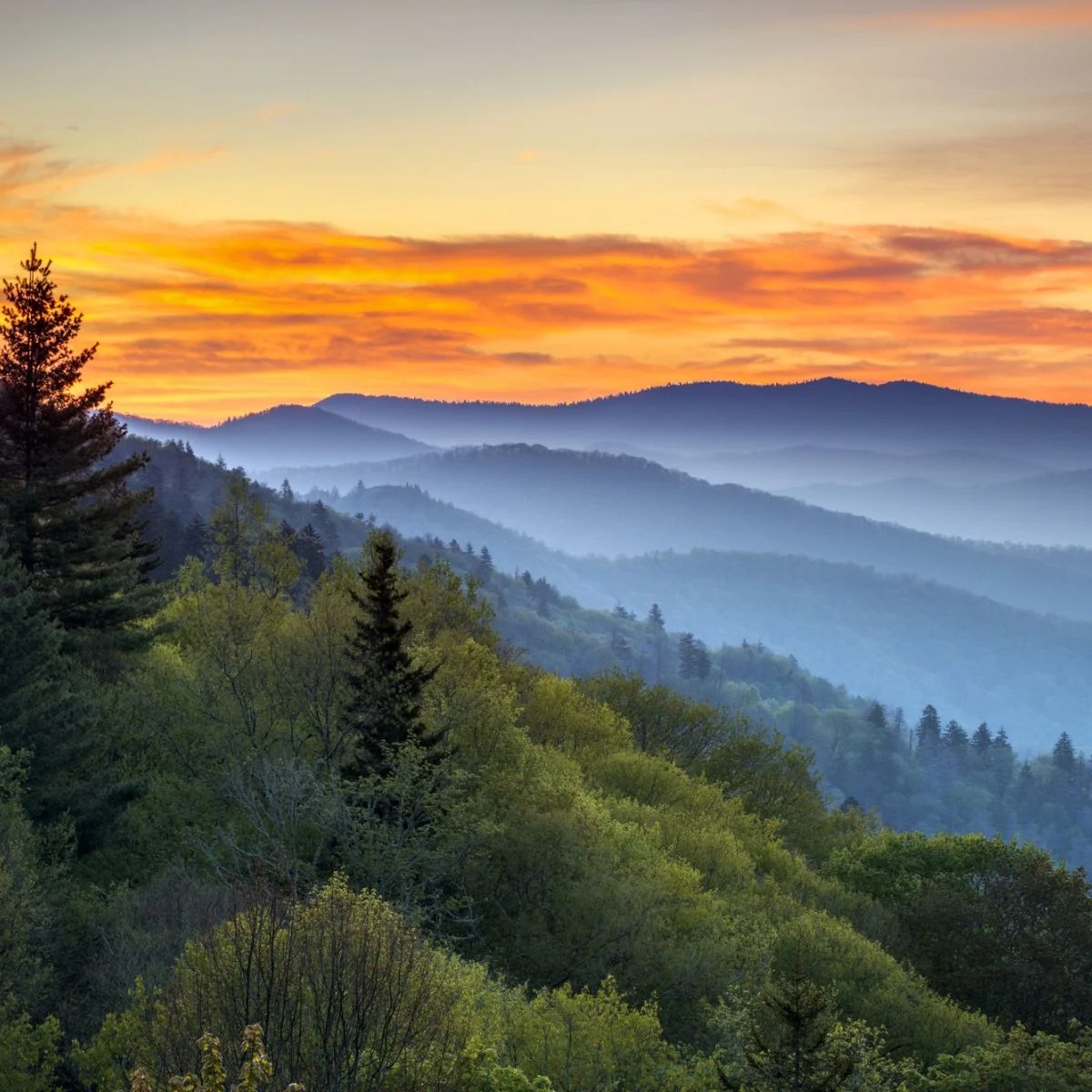
Packing for a Gatlinburg trip is a little different from packing for a typical vacation. You are heading to the mountains, where the weather can change in an hour, the trails can be muddy or icy depending on the season, and your cabin comes stocked with more than you might expect. Get your packing list right and you will spend less time worrying and more time enjoying the Smoky Mountains.
We have hosted thousands of guests in our Gatlinburg cabins over the years, and we have heard every packing regret in the book. Forgot hiking boots and tried a trail in sandals. Left the rain jacket at home during a surprise April downpour. Packed an entire set of towels only to find the cabin had plenty. This guide is built from that real experience to help you pack smart, pack light, and not miss anything important.
Essential Items (Every Season)
No matter when you visit Gatlinburg, these items belong in your suitcase. The Smoky Mountains sit at elevations ranging from 900 feet in town to over 6,600 feet at Clingmans Dome, so you will encounter a wide range of conditions even in a single day.
Clothing Basics
- Layers: A light base layer, mid layer (fleece or flannel), and an outer shell or jacket. Mountain temperatures can swing 20+ degrees between morning and afternoon.
- Comfortable walking shoes: You will walk a lot whether exploring downtown Gatlinburg, strolling through the Arts and Crafts Community, or browsing shops in Pigeon Forge.
- Casual clothes for evenings: Gatlinburg is relaxed. Jeans and a nice top work for even the nicest restaurants in town.
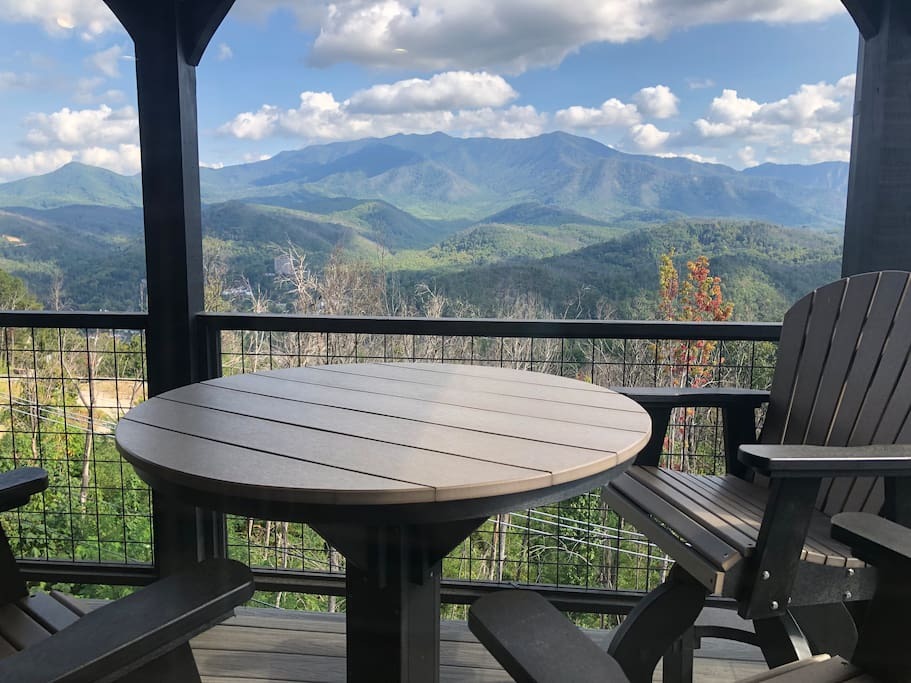
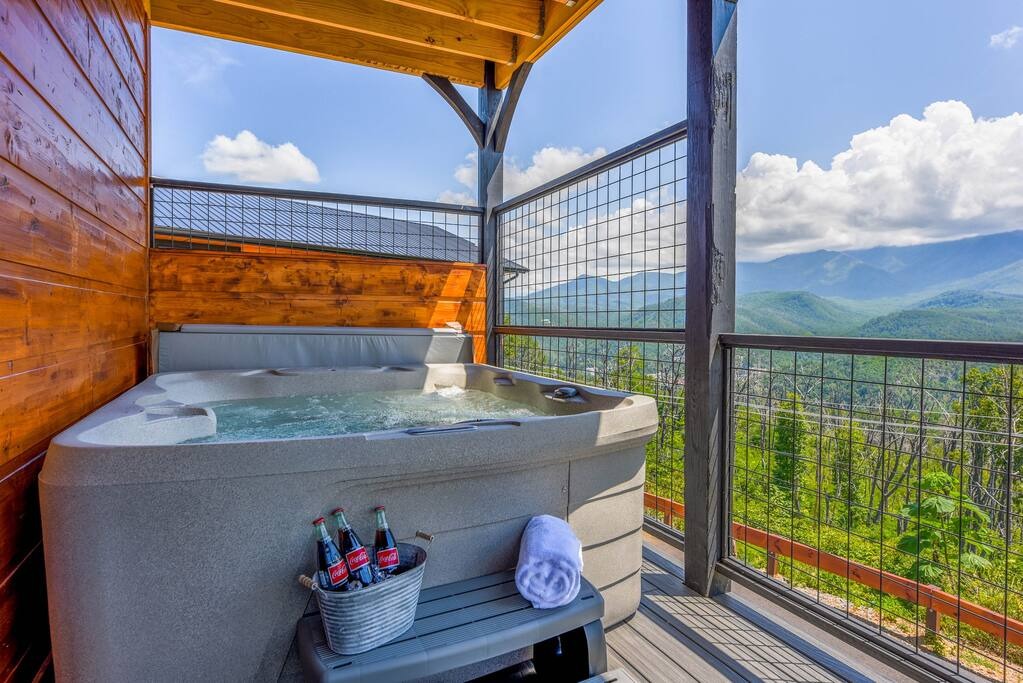
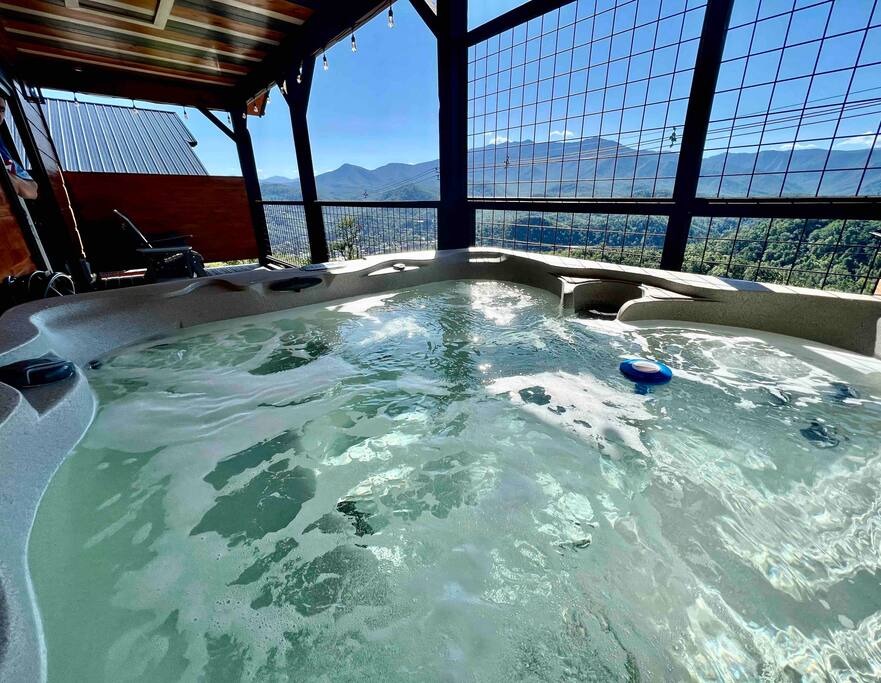
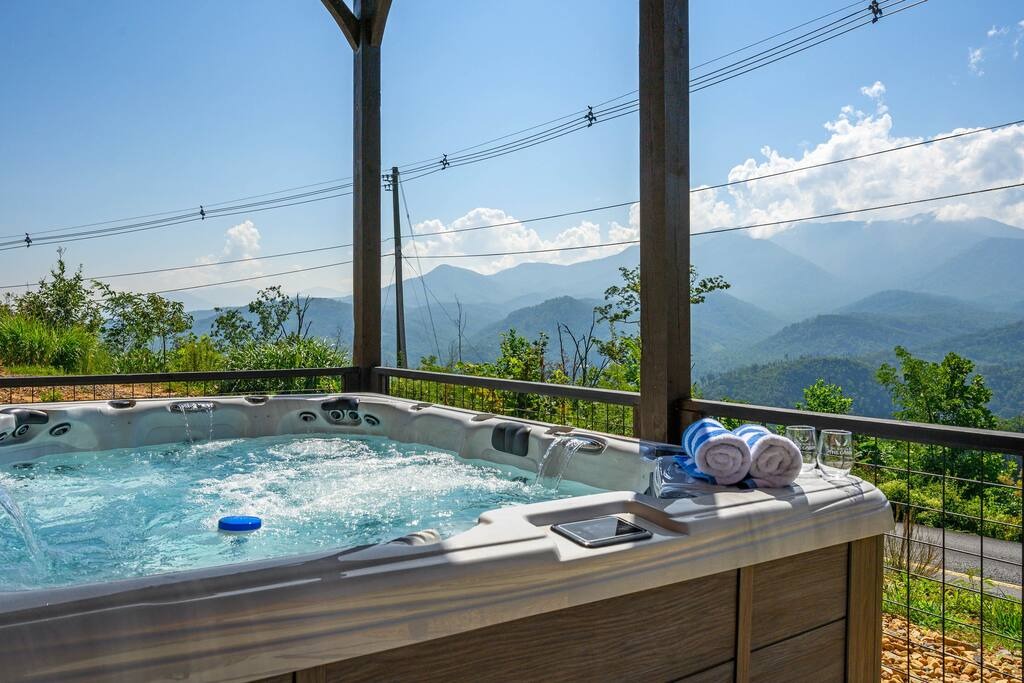
- Swimsuit: Every one of our cabins has a hot tub. You will want to use it, especially after a day on the trails.
- Rain jacket or poncho: Rain is possible year-round in the Smokies. The mountains create their own weather patterns, and afternoon showers pop up without warning.
Toiletries and Health
- Prescription medications: There is a Walgreens in Gatlinburg and pharmacies in Sevierville, but do not rely on being able to fill prescriptions on vacation.
- Sunscreen (SPF 30+): Higher elevation means stronger UV exposure, even on cloudy days. Many visitors underestimate this.
- Basic first aid kit: Bandages, antiseptic, pain relievers, and blister treatment. Especially important if you plan to hike.
- Insect repellent: Mosquitoes and ticks are active from spring through fall, particularly on trails and around streams.
- Allergy medication: The Smokies are dense with diverse plant life. Even people who do not normally have allergies can be affected.
Documents and Essentials
- Driver's license and car insurance: You will be driving mountain roads, and a car is essential for getting around.
- Cabin check-in information: Confirmation emails, door codes, and directions. Cell service can be spotty near some cabins, so screenshot or print these in advance.
- Cash: Some smaller shops, roadside stands, and parking areas in the national park are cash only. ATMs are available in Gatlinburg but carry a fee.
- National park pass: Great Smoky Mountains National Park is free to enter, but a parking tag is required at some trailheads. You can purchase one online in advance at recreation.gov.
Tech and Entertainment
- Phone chargers and portable battery pack: GPS navigation, trail apps, and photo-taking drain your battery fast. A portable charger is a lifesaver on long hike days.
- Camera: Phone cameras are great, but if you have a dedicated camera, bring it. Smoky Mountain sunrises, waterfalls, and fall foliage deserve the best lens you have.
- Downloaded maps and music: Cell service is unreliable inside the national park and on some cabin access roads. Download offline Google Maps for the area and any playlists or podcasts for the drive.
- Binoculars: Excellent for wildlife spotting. Black bears, elk in Cataloochee Valley, and wild turkeys are common sights.
Seasonal Packing Guide
Gatlinburg's weather varies dramatically by season, and what you pack in July looks very different from what you need in January. The elevation of your activities matters too. Downtown Gatlinburg sits at about 1,300 feet, but popular hikes like Clingmans Dome reach over 6,600 feet, where temperatures can be 10 to 15 degrees cooler. Here is what to add to your essential items list for each season.
Spring (March through May)
Average highs: 55 to 75°F | Average lows: 32 to 50°F
Spring in the Smokies is gorgeous but unpredictable. Wildflower season peaks in mid-April, and the mountains come alive with color. But spring also brings the most rainfall of any season.
- Waterproof hiking boots: Trails are often muddy and wet from spring rains. Waterproof footwear is not optional.
- Multiple layers: Mornings start chilly (40s) and afternoons can reach the 70s. A zip-up fleece over a t-shirt with a rain shell works perfectly.
- Quality rain gear: A real rain jacket, not just a poncho. Spring showers can last for hours. Waterproof pants are worth packing if you plan serious hiking.
- Allergy medication: Pollen counts are high from late March through May. Bring antihistamines even if you rarely need them at home.
- Umbrella: For walking around downtown Gatlinburg and outdoor attractions between rain showers.
- Gaiters (optional): If you are planning longer hikes, gaiters keep mud and water out of your boots on soggy trails.
Summer (June through August)
Average highs: 80 to 88°F | Average lows: 58 to 65°F
Summer is peak tourist season. Days are hot and humid in town, but higher elevation trails stay more comfortable. Afternoon thunderstorms are common, so plan hikes for the morning.
- Light, moisture-wicking clothing: Cotton gets heavy with sweat. Synthetic or merino wool fabrics dry faster and keep you comfortable on the trails.
- Sunscreen and sunglasses: Apply and reapply, especially at higher elevations. A wide-brimmed hat is a smart addition.
- Bug spray with DEET or picaridin: Mosquitoes, gnats, and ticks are active. Apply before every hike and check for ticks afterward.
- Swimwear and water shoes: For your cabin's hot tub, tubing on the Little Pigeon River, and whitewater rafting trips.
- Refillable water bottles: Hydration is critical in summer heat. Bring at least one large (32 oz) bottle per person for hike days. There are no water fountains on most trails.
- Light rain jacket: Afternoon thunderstorms roll in fast. Keep a packable rain jacket in your daypack at all times.
- Flip-flops or sandals: For around the cabin, hot tub time, and casual evenings in town.
Fall (September through November)
Average highs: 55 to 78°F | Average lows: 35 to 55°F
Fall is the most popular season in the Smokies, and for good reason. The fall foliage peaks from mid-October through early November and is truly spectacular. Plan accordingly because it will be crowded.
- Warm layers: Temperatures drop significantly from October onward, especially at elevation. A down or synthetic puffy jacket is ideal for higher-elevation hikes.
- Camera and extra memory cards: You will take hundreds of photos. The fall foliage along hiking trails is unlike anything else in the eastern United States.
- Warm hat and light gloves: By late October, early morning hikes and overlook stops are chilly. Temperatures at Clingmans Dome can dip into the 30s even in October.
- Long pants for hikes: Brush along trail edges can harbor ticks into early fall. Long pants also protect against cool morning temperatures.
- Patience and flexible plans: Not a packing item, but essential. Traffic through Pigeon Forge and into Gatlinburg can add an hour to your drive during peak foliage weekends. Leave early or stay late.
- Binoculars: Elk are most active during the fall rut in Cataloochee Valley. It is an unforgettable wildlife experience.
Winter (December through February)
Average highs: 42 to 50°F | Average lows: 22 to 30°F
Winter in Gatlinburg is magical. Winterfest lights illuminate the town, crowds thin out, and cabins feel extra cozy with fireplaces crackling. But mountain winters demand proper preparation.
- Heavy winter coat: A warm, windproof jacket is essential. Higher elevations can drop below zero with wind chill.
- Insulated waterproof boots: For hiking on potentially icy or snowy trails, and for walking around town after a snowfall.
- Warm gloves, scarf, and hat: Wind on exposed ridgelines and mountain overlooks cuts right through you.
- Thermal base layers: Merino wool or synthetic long underwear makes a huge difference on cold days.
- Tire chains or cables: Cabin access roads can be steep and icy. Even with four-wheel drive, chains provide critical traction. Most cabin rental companies strongly recommend them December through February.
- Ice scraper and de-icer: For your car windshield on cold mornings at the cabin.
- Hand and toe warmers: Inexpensive and invaluable for overlook stops, cold hikes, or waiting in line at Ober Mountain ski area.
- Flashlight or headlamp: Winter days are short. If you are hiking, you may find yourself finishing a trail at dusk.
Mountain Weather Warning
Temperatures at higher elevations can be 10 to 20 degrees cooler than in downtown Gatlinburg. If the forecast says 60°F for Gatlinburg, expect 40 to 50°F at Clingmans Dome or Newfound Gap. Always pack warmer than you think you need. Weather can change rapidly, and hypothermia is a real risk for underprepared hikers in any season.
Hiking Gear Essentials
Great Smoky Mountains National Park is the most visited national park in America, and hiking is the number one reason people come. Whether you are planning a casual walk to Laurel Falls or tackling the challenging Alum Cave Trail to Mount LeConte, proper gear makes the difference between an amazing experience and a miserable one.
Footwear
- Hiking boots with ankle support: The most important piece of gear you will bring. Smoky Mountain trails are rocky, root-covered, and often wet. Break in new boots before your trip.
- Moisture-wicking hiking socks: Merino wool socks prevent blisters and keep feet comfortable all day. Bring at least two pairs so you always have a dry set.
- Moleskin or blister pads: Even with great boots, long days on trails can cause hot spots. Catch them early before they become full blisters.
Daypack Essentials
- Daypack (20-30 liters): Large enough for water, snacks, layers, and first aid, but not so big it is uncomfortable. Look for one with hip belt support.
- Water bottles or hydration bladder: Minimum 2 liters per person per day. Streams in the park are not safe to drink without treatment. Longer trails like Ramsey Cascades (8 miles round trip) require more.
- Trail snacks: Trail mix, energy bars, jerky, dried fruit, peanut butter crackers. High-calorie, lightweight foods that will not melt or spoil. Pack more than you think you need.
- First aid kit: Adhesive bandages, antiseptic wipes, medical tape, pain reliever, antihistamine, and any personal medications. Add tweezers for tick removal.
- Trail map or downloaded offline map: Do not rely on cell service in the park. The National Geographic Trails Illustrated map for Great Smoky Mountains is excellent, or download the AllTrails offline map before you leave your cabin.
- Rain cover for your pack: Most quality daypacks include one. If yours does not, a large trash bag works in a pinch.
Safety Gear
- Bear spray: Black bears live throughout the Smokies. While attacks are extremely rare, bear spray provides peace of mind on backcountry trails. Keep it accessible, not buried in your pack.
- Whistle: For emergency signaling. Lightweight and potentially lifesaving if you get disoriented on a trail.
- Headlamp or flashlight: Even if you plan to be back before dark, carry one. Trails take longer than expected, and the forest canopy makes dusk come early.
- Trekking poles (optional but recommended): Reduce strain on knees during steep descents. Trails like Chimney Tops and Charlies Bunion are much easier with poles.
Trail-Ready Tip
Start your hikes early, ideally before 8 AM. You will beat the crowds, find parking more easily at popular trailheads, and finish before afternoon heat or thunderstorms arrive. Most trailhead parking lots at popular spots like Grotto Falls and Laurel Falls are full by 9 or 10 AM in peak season.
Need a Base Camp for Your Adventures?
Our cabins are minutes from the best Smoky Mountain trailheads. Hot tub, mountain views, and plenty of room to spread out your gear.
Browse Our CabinsBookings are completed only through our official checkout. We never collect payment by email or chat.
Cabin Stay Essentials
Staying in a cabin is one of the best parts of a Gatlinburg vacation. You get the privacy and space of a home with mountain views, hot tubs, game rooms, and full kitchens. But a cabin stay requires a slightly different packing approach than a hotel trip. Here is what to bring to make the most of your cabin experience.
Groceries and Food
Your cabin kitchen comes fully equipped with cookware, dishes, utensils, a dishwasher, microwave, and a coffee maker. What it does not come with is food. Planning your meals in advance and bringing groceries saves significant money and adds to the cabin experience. Nothing beats cooking breakfast with a mountain view.
- Breakfast staples: Eggs, bacon, bread, butter, cereal, milk, coffee, and creamer. Morning coffee on the deck is a non-negotiable Gatlinburg experience.
- Snacks for the cabin: Chips, crackers, fruit, popcorn for movie nights in the theater room. S'mores supplies if your cabin has a fire pit.
- Grilling supplies: Our cabins have charcoal grills on the decks. Bring charcoal, lighter fluid, and your favorite grilling meats. Steaks and burgers with a sunset mountain view are hard to beat.
- Drinks: Water, sodas, juice for kids, and whatever beverages you enjoy in the evenings. Coolers work great for the drive in.
- Quick lunch items: Sandwich fixings, chips, and fruit. Perfect for packing trailside lunches or quick meals between adventures.
- Condiments and spices: Basic salt, pepper, and cooking oil. Do not assume the cabin will have your preferred condiments from a previous guest.
Grocery Shopping Tip
There is a Publix in Sevierville (about 25 minutes from most cabins) and a Food City closer to Gatlinburg. Many guests stop at one of these on the way in from the airport or highway. For a more local experience, check out the Gatlinburg Farmers Market on Saturday mornings (seasonal) for fresh produce and homemade goods.
Games and Entertainment
- Board games and card games: While our cabins like Dream Big and Funky Bear Lodge have game rooms with pool tables and arcade games, a deck of cards or a favorite board game adds to rainy-day fun.
- Streaming device (Roku, Fire Stick, etc.): Cabins have TVs, but bringing your own streaming device ensures you have access to your accounts and shows.
- Books and magazines: The cabin porch is the perfect reading spot. Something about the mountain air makes a good book even better.
- Bluetooth speaker: For music on the deck while grilling or relaxing in the hot tub. Keep volume reasonable for neighboring cabins.
Cabin Comfort Items
- Slippers or house shoes: Cabin floors can be cool, especially in the morning. A pair of comfortable slippers makes a difference.
- Your favorite coffee or tea: Cabins have coffee makers but typically only a small starter supply. Bring your preferred brand.
- Trash bags: Extra trash bags come in handy for sorting recycling, wet hiking clothes, or dirty laundry.
- Nightlight: Cabins in the mountains get truly dark at night. A small nightlight helps for midnight trips to the bathroom, especially for kids.
- Cooler: For picnic lunches, keeping drinks cold on the deck, or a day trip to Dollywood.
Family Trip Extras
Traveling to Gatlinburg with kids adds a whole layer to your packing list. The good news is that the Smoky Mountains are one of the most family-friendly destinations in the country, with plenty of things to do with kids of every age. Here is what families should add to their packing list.
For Babies and Toddlers
- Car seat: Required by Tennessee law for children under age 9 or shorter than 4 feet 9 inches. If you are flying in and renting a car, reserve a car seat with the rental company or bring your own.
- Stroller: A compact, all-terrain stroller handles Gatlinburg's sidewalks and some of the flatter park trails. The Gatlinburg Trail (from the visitor center to town) is stroller-friendly.
- Baby carrier or backpack: For trails where strollers cannot go. A hiking backpack carrier lets you bring little ones on moderate trails.
- Diapers and wipes (extra supply): Bring more than you think you will need. Mountain shops carry them but at premium prices.
- Pack-and-play or portable crib: Some cabins may have a crib available upon request, but bringing your own guarantees your child's sleeping arrangement.
- Baby-proofing supplies: Outlet covers and cabinet locks if you have a curious toddler. Cabins are not baby-proofed.
For Older Kids
- Snacks (lots of them): Active mountain days burn energy fast. Pack plenty of granola bars, fruit pouches, crackers, and favorite treats for the car and trails.
- Entertainment for the car: The drive to Gatlinburg can be long. Tablets, headphones, coloring books, and road trip games keep everyone happy.
- Swimsuit and towel: For the cabin hot tub, hotel pools if you stop overnight, and summer water activities.
- Comfortable shoes (two pairs): Kids get shoes wet, muddy, and soaked. A backup pair means they are not hiking in soggy sneakers the next day.
- Disposable camera or kid-friendly camera: Let kids document their own adventure. It keeps them engaged on trails and creates memorable souvenirs.
- Small backpack: Even young kids feel like real hikers with their own pack carrying their water bottle and snacks.
What NOT to Pack (Your Cabin Has It)
One of the biggest packing mistakes our guests make is bringing things the cabin already provides. Save the suitcase space for the items you actually need. Here is what you can leave at home because your cabin already has it covered:
- Bed linens and pillows: All beds are made up with clean sheets, comforters, and pillows before your arrival.
- Bath towels and washcloths: Fresh towels are provided for every guest. We stock extras in the linen closets.
- Kitchen essentials: Pots, pans, baking sheets, mixing bowls, cutting boards, knives, spatulas, and all standard cooking utensils are in every cabin.
- Dishes and silverware: Plates, bowls, cups, glasses, and a full silverware set for the maximum number of guests.
- Coffee maker: Every cabin has a drip coffee maker. Some have Keurigs as well. A small starter supply of coffee and filters is included.
- Dishwasher and dish soap: Full-size dishwashers and dish soap are standard in all our cabins.
- Hair dryer: Available in every cabin bathroom.
- Iron and ironing board: Available if you need them, though most guests stay casual on mountain vacations.
- Washer and dryer: Full-size in most of our cabins. Laundry detergent pods are usually stocked, but bringing a few extra is not a bad idea for longer stays.
- TV and WiFi: All cabins have smart TVs and high-speed WiFi. Many have theater rooms with large screens for movie nights.
- Charcoal grill: Located on the deck, ready for cookouts. Just bring the charcoal and your food.
- Hot tub: Heated, clean, and ready for you on arrival.
Quick Check
If you are unsure whether your specific cabin provides something, check the amenities list on the cabin page or contact us before your trip. We are happy to answer any questions about what is included so you can pack with confidence.
Pro Tips from Locals
After years of hosting guests and living in the Smoky Mountain area, here are the insider packing tips that most travel guides miss:
- Pack a separate bag for your first morning. After a long drive, the last thing you want is to dig through suitcases for pajamas, toothbrushes, and coffee. Pack a small overnight bag with just what you need for the first evening and morning, and unpack the rest after a good night's sleep.
- Bring a headlamp, not just a flashlight. Mountain cabins are dark at night, and the drive from the cabin to the main road can be pitch black. A headlamp keeps your hands free for carrying groceries, kids, or finding your car keys.
- Download everything before you arrive. Cell service is unreliable on mountain roads and inside the national park. Download your GPS maps, trail apps (AllTrails), music, and streaming content before you leave home. Your cabin has WiFi, but you will want offline content for day trips.
- Bring an extra phone charger for the car. Between GPS navigation, photography, and trail tracking, your phone battery will not last a full adventure day. A car charger and a portable battery pack are essential.
- Pack clothes you do not mind getting dirty. Between muddy trails, creek crossings, campfire smoke, and hot tub splashes, your Gatlinburg wardrobe takes a beating. Leave the nice clothes at home and embrace mountain casual.
- Ziplock bags are your secret weapon. Use them for wet swimsuits, muddy socks, trail snacks, protecting your phone near waterfalls, and keeping cash dry. Bring a handful of gallon-size bags.
- Check the weather for Newfound Gap, not just Gatlinburg. If you are planning to drive or hike at higher elevations, the weather there can be dramatically different from town. Search "Newfound Gap weather" for a more accurate picture of mountain conditions.
- Bring a small first-aid kit in the car, not just in your hiking pack. Paper cuts from brochures, splinters from cabin railings, headaches from elevation changes. Having basic first-aid supplies handy at all times saves trips to the drugstore.
The Gatlinburg Shopping Safety Net
If you forget something, do not stress. Gatlinburg and Pigeon Forge have plenty of stores. There is an Outdoor World, several outfitters, a Walgreens, and plenty of souvenir shops that sell everything from sunscreen to rain ponchos. You may pay tourist prices, but you will not go without. Tanger Outlets in Sevierville has brand-name outdoor stores like Columbia and Under Armour if you need quality gear at discount prices.
Frequently Asked Questions
What should I pack for a Gatlinburg cabin trip?
Pack layers regardless of season, comfortable walking shoes, hiking boots if you plan to hit the trails, toiletries, chargers, and groceries for cooking in your cabin kitchen. Your cabin provides linens, towels, a fully equipped kitchen, and a coffee maker, so you can leave those at home. In winter, bring a heavy coat, gloves, and consider tire chains. In summer, pack sunscreen, bug spray, and swimwear for your hot tub.
Do I need hiking boots for Gatlinburg?
If you plan to hike any trails in the Smoky Mountains, sturdy hiking boots with ankle support are strongly recommended. Trails like Alum Cave, Chimney Tops, and Rainbow Falls have rocky, uneven terrain that can be slippery when wet. Even shorter trails benefit from proper footwear. Athletic shoes may work for flat, paved paths, but boots are the safer choice for most Smoky Mountain trails.
What groceries should I bring to a Gatlinburg cabin?
Cabins come with a full kitchen but not food. Bring breakfast staples like eggs, bread, coffee, and cereal, along with snacks, drinks, grilling meats if you plan to use the charcoal grill, and any specialty ingredients. There is a Publix in Sevierville and a Food City closer to Gatlinburg, so you can also shop on arrival. Bringing some groceries saves money and means you do not have to eat out for every meal.
Do I need tire chains to drive to Gatlinburg in winter?
Tire chains are recommended if you are visiting between December and February, especially if your cabin is on a steep mountain road. While main roads are typically cleared quickly after snow, cabin access roads can be steep and icy. Four-wheel drive vehicles handle most conditions, but chains provide extra insurance. Newfound Gap Road through the national park may close during heavy snow. Check road conditions with the National Park Service before heading to higher elevations.